





A successful hair restoration journey starts with a clear vision and the right knowledge. Many people in the United Kingdom now seek ways to reclaim their youthful appearance. You likely want a result that looks natural and lasts for a lifetime. However, the path to a full head of hair contains potential obstacles. You must make informed choices to avoid a disappointing outcome. Many patients start their journey by researching the FUE vs FUT hair transplant options available to them. This initial research phase builds the foundation for your future confidence. You deserve a result that enhances your features without looking artificial. By following expert guidance, you can navigate the clinical world with total ease. This article explores the vital steps you must take to ensure your procedure succeeds.
The Foundation of a Successful Outcome
The most important factor in your journey is the skill of your surgeon. A highly experienced doctor understands the nuances of scalp anatomy and hair growth patterns. You should never choose a clinic based solely on the lowest price offered. Cheap procedures often lead to poor graft survival and unnatural hairlines. When you look into the FUE vs FUT hair transplant debate, you see that both require immense precision. An expert surgeon will help you decide which path fits your unique scalp condition. You should check if your doctor is registered with the General Medical Council in the UK. Membership in professional bodies like the ISHRS also indicates a commitment to high standards. Taking the time to verify these credentials protects your health and your investment.
Checking Clinical Standards and Reviews
You must look beyond the glossy brochures and social media advertisements of a clinic. Read honest reviews from previous patients who have documented their full year of growth. Look for consistent results and positive feedback regarding the post-operative care provided. A reputable clinic will openly discuss the FUE vs FUT hair transplant differences during your first meeting. They should provide clear answers to all your medical and aesthetic questions. You want a team that prioritises your safety and long-term satisfaction. Ask to see a portfolio of their work involving patients with similar hair types to yours. Seeing real transformations gives you a realistic idea of what the team can achieve.
Understanding the FUE vs FUT Hair Transplant Choice
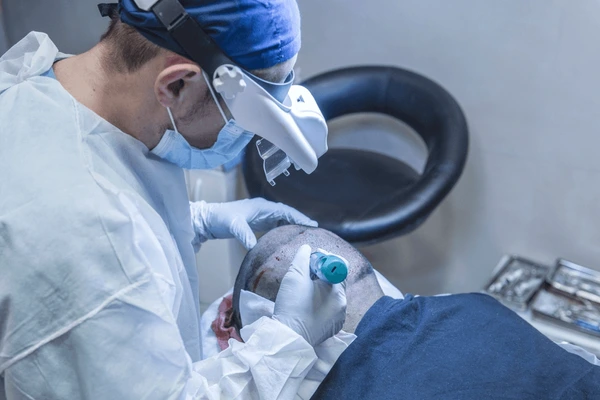
Your success depends heavily on selecting the correct surgical method for your needs. The FUE vs FUT hair transplant comparison is a central part of any professional consultation. Follicular Unit Extraction involves removing individual follicles one by one from the donor area. This method is popular because it leaves tiny, scattered marks that are hard to see. Follicular Unit Transplantation involves removing a thin strip of tissue to harvest the grafts. Both techniques have specific benefits depending on your goals and donor hair density. You must discuss the FUE vs FUT hair transplant options to see which aligns with your lifestyle. A surgeon who only offers one method might not have your best interests at heart.
Matching Your Goals to the Right Technique
If you prefer to wear your hair very short, you might lean toward individual extraction. Those needing a massive number of grafts in one day might find the strip method more effective. Your surgeon will evaluate the elasticity and density of your donor area hair. This evaluation is critical for the FUE vs FUT hair transplant decision-making process. You want to ensure the back of your head remains looking full and healthy after harvesting. Over-harvesting is a common cause of failure that leaves the donor area looking thin. A strategic plan ensures that your FUE vs FUT hair transplant results look balanced from every angle.
Managing Your Expectations for Natural Results
A common reason for perceived failure is having unrealistic expectations about the final look. You must understand that a hair transplant does not create new hair from nothing. It simply redistributes your existing healthy follicles to areas where you need them most. During your FUE vs FUT hair transplant discussion, the doctor will explain your specific donor capacity. You should aim for a result that looks appropriate for your current age and facial structure. A hairline that is too low or perfectly straight often looks very artificial as you get older. The best results mimic the natural irregularities found in a native hairline. Trusting the artistic vision of your surgeon during the FUE vs FUT hair transplant planning is vital.
Designing a Timeless and Mature Hairline
Your doctor should design a hairline that will still look excellent in twenty years. They will consider your future hair loss patterns during the FUE vs FUT hair transplant design phase. You want to avoid a situation where you have a thick front but thinning hair behind it. A forward-thinking plan includes a strategy for maintaining your existing native hair. This might involve using specific medications to keep your original follicles strong and healthy. The FUE vs FUT hair transplant outcome relies on this holistic approach to your scalp health. A successful procedure frames your face perfectly and boosts your daily self-esteem.
The Vital Role of Post-Operative Care
The surgery itself is only one part of the journey toward a full head of hair. Your actions during the first fortnight of recovery determine the survival of your new grafts. You must follow the instructions provided by your clinic with absolute and strict precision. The FUE vs FUT hair transplant recovery process requires you to be gentle with your scalp. You should avoid touching or scratching the recipient area at all costs. Even a small amount of friction can dislodge a delicate graft during the first few days. Many clinics provide a special kit to help you clean your scalp safely. This care ensures the FUE vs FUT hair transplant incisions heal without any medical complications.
Protecting Your Investment During Recovery
You must avoid strenuous exercise and heavy lifting for at least two weeks after your procedure. Increased blood pressure can cause swelling and potential bleeding in the delicate graft sites. When you consider the FUE vs FUT hair transplant timeline, rest is your most powerful tool. You should also stay out of direct sunlight and avoid swimming in chlorinated pools for a month. These simple steps prevent infection and ensure your skin recovers its natural health quickly. Your clinic should offer regular follow-up appointments to monitor your progress throughout the year. The FUE vs FUT hair transplant success rate improves significantly when you stay in close contact with your team.
Health and Lifestyle Factors for Growth
Your internal health plays a massive role in how well your new hair follicles thrive. You must provide your body with the right nutrients to support rapid tissue repair. A diet rich in proteins, vitamins, and minerals helps the FUE vs FUT hair transplant grafts anchor firmly. You should avoid smoking for several weeks before and after your surgical appointment. Nicotine restricts blood flow to the scalp, which can starve the new follicles of oxygen. This lack of oxygen is a leading cause of poor growth and clinical failure. You want to give your FUE vs FUT hair transplant every possible advantage for success.
Monitoring Your Long-Term Progress
You will likely experience a shedding phase about three weeks after your procedure. This is a normal part of the FUE vs FUT hair transplant cycle and should not cause alarm. The hairs fall out, but the healthy roots remain safely tucked beneath your skin. You will start to see the real, permanent growth appearing after about four or five months. By the one-year mark, you can finally enjoy the full density of your new look. Stay patient and maintain a positive mindset throughout this quiet growth period. Your commitment to the FUE vs FUT hair transplant journey will eventually yield incredible results. Achieving your dream hair is a marathon, not a sprint, and requires your ongoing dedication.