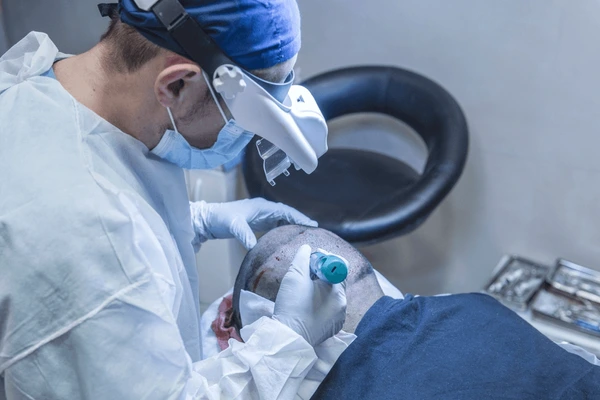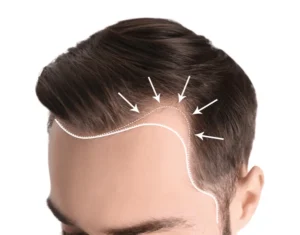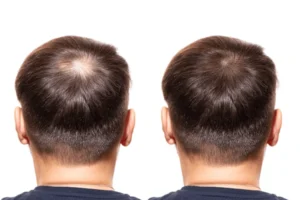






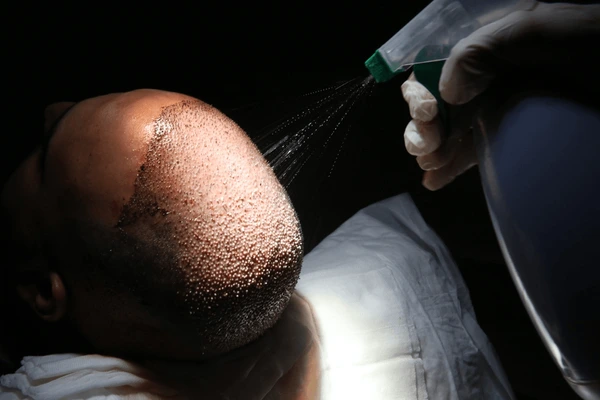
Facing a receding hairline can spark immediate worry for anyone living across the UK. When men look in the mirror, spotting thinning patches demands a calm and calculated response. Discovering the best age for hair transplant procedures is a common goal for many British residents. Many individuals wonder about the best age for hair transplant options before booking any consultation. Chronological age alone rarely tells the whole story when planning a successful surgical journey. Clinics across London and other British cities evaluate biological markers rather than birth certificates. Understanding the real truths behind the process helps you make a well-informed choice. Finding the right moment to act transforms your personal appearance and secures lasting confidence.
Why Planning Beats Rushing Into Surgery
A common misconception suggests that hitting a specific birthday unlocks immediate eligibility for surgical restoration. In reality, biological maturity and pattern stabilization matter far more than how many years you have lived. Some men experience rapid recession in their early twenties, while others retain thick hair into middle age. Identifying your personal rate of shedding is far more critical than arbitrary age limits. Knowing the best age for hair transplant planning prevents premature decisions. Surgeons look closely at how your hair has evolved over the past few years. Determining the best age for hair transplant success depends entirely on these unique biological indicators. Planning ahead ensures your chosen intervention delivers maximum aesthetic value over decades.
Evaluating Biological Maturity and Stability
Medical science shows that most male pattern thinning stems from genetic sensitivity to hormones. An active testosterone byproduct called dihydrotestosterone attacks vulnerable hair follicles and shortens their growth phase. This gradual miniaturization process produces finer, weaker strands until the follicles eventually stop producing hair altogether. If your shedding is still progressing rapidly, intervening too soon can create an unpredictable outcome. Medical experts often emphasize that the best age for hair transplant surgery varies for every individual. Establishing a stable pattern is the single most important factor in determining the best age for hair transplant procedures. Recognizing the biological reality of your condition removes guesswork from your personal timeline.
Assessing the Progression of Hair Thinning
Impatience can tempt younger adults to seek immediate surgical fixes the moment a hairline shifts. Unfortunately, operating while pattern baldness remains active often leads to uneven results down the road. As surrounding native hair continues to thin naturally, isolated transplanted grafts can look awkward and unnatural. Fixing this issue later requires additional surgical procedures and consumes finite donor hair reserves. That is why reputable medical professionals usually advise waiting until your late twenties or thirties. Finding the best age for hair transplant results requires patience and careful observation of your changing scalp. Understanding the best age for hair transplant execution keeps expectations grounded. Evaluating the best age for hair transplant planning protects your future aesthetic options.
Protecting Your Finite Donor Supply
Every successful surgical outcome relies entirely on the quality and abundance of your donor hair. The back and sides of your head provide permanent follicles that resist genetic shedding hormones safely. Surgeons extract these robust hairs to rebuild thinning zones at the front and crown areas. However, your donor supply is a finite resource that cannot be replenished once it is depleted. Assessing this bank of hair helps experts determine the best age for hair transplant scheduling. Protecting your donor area ensures you have enough coverage for both current and future needs. Identifying the best age for hair transplant implementation safeguards this precious donor reserve.
Avoiding Common Mistakes in Early Procedures
While younger adults must wait for stability, older candidates face different considerations regarding scalp health. Men in their fifties or sixties often possess great pattern stability, but donor density can decline naturally. Age-related thinning across the donor zone can limit the total number of grafts available for extraction. Furthermore, general health conditions and healing speeds play a heavier role as patients grow older. Determining the best age for hair transplant success in older individuals requires a thorough medical evaluation. Ensuring you are in good physical health guarantees a smooth recovery and high graft survival rates. Considering the best age for hair transplant safety minimizes potential clinical risks.
Partnering With Experienced Medical Specialists
Deciding to undergo a surgical procedure requires a balanced mental outlook and realistic personal expectations. Walking into a clinic with a clear understanding of the recovery process reduces anxiety significantly. Your medical team provides explicit pre-operative instructions regarding diet, hydration, and medication adjustments. Following these rules meticulously prepares your body for the physical demands of follicular extraction. Identifying the best age for hair transplant recovery ensures you have enough time to rest properly. Finding the best age for hair transplant intervention also means being ready to follow post-care guidelines. Mental and physical readiness work hand in hand to secure a seamless transformation.
What to Expect During Your Clinical Consultation
A successful partnership with your medical specialist depends on open, honest communication about your goals. Surgeons design bespoke hairlines that complement your facial structure, age, and natural features. Understanding that a transplant redistributes existing hair rather than creating infinite new density is vital. Evaluating the best age for hair transplant goals builds a strong foundation. Discussing these expectations helps you pinpoint the best age for hair transplant procedures based on your lifestyle. Realistic goals prevent future disappointment and ensure your final appearance looks completely authentic. Embracing your mature look creates a handsome, age-appropriate aesthetic that lasts a lifetime. Recognizing the best age for hair transplant alignment guarantees lifelong satisfaction.
Securing Long-Term Confidence Across the UK
Achieving a thick head of hair marks only the beginning of your long-term personal care strategy. Protecting your hard-earned results requires ongoing dedication to scalp health and sensible daily habits. Skipping maintenance routines can allow untreated areas to thin slowly over the following decades. Integrating your surgical journey into a lifelong wellness plan safeguards your physical investment securely. Finding the best age for hair transplant success ultimately bridges medical science and personal readiness. Walking through bustling cities across the UK with a full head of hair feels liberating. Investing in your appearance changes how you interact with the world and boosts self-assurance. Modern advancements mean you no longer have to accept thinning hair as an inevitable reality. Embrace your personal timeline today and leave hair-related worries firmly in the past.