





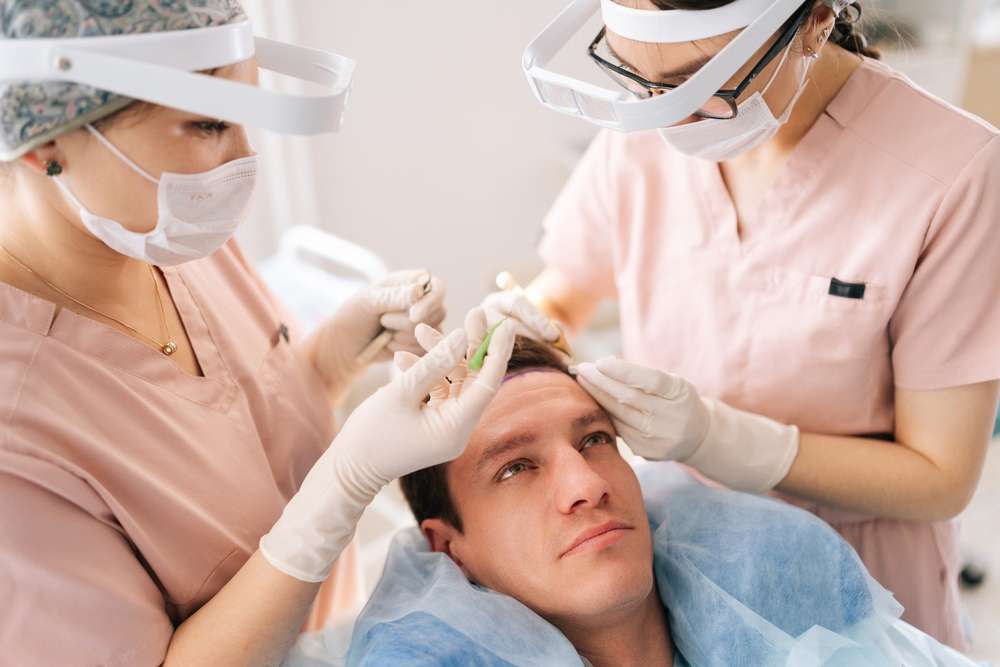
Recovering from a procedure can feel overwhelming, especially if it’s your first time exploring a hair transplant London or comparing options across the hair transplant UK market. The truth is, recovery is easier when you know what to expect. Each week brings clear changes, and understanding them helps you stay confident throughout the journey.
This week-by-week guide breaks the process into simple stages, so you can follow along and feel prepared. Every stage matters, and each one brings you closer to natural, healthy growth.
The First 24–48 Hours
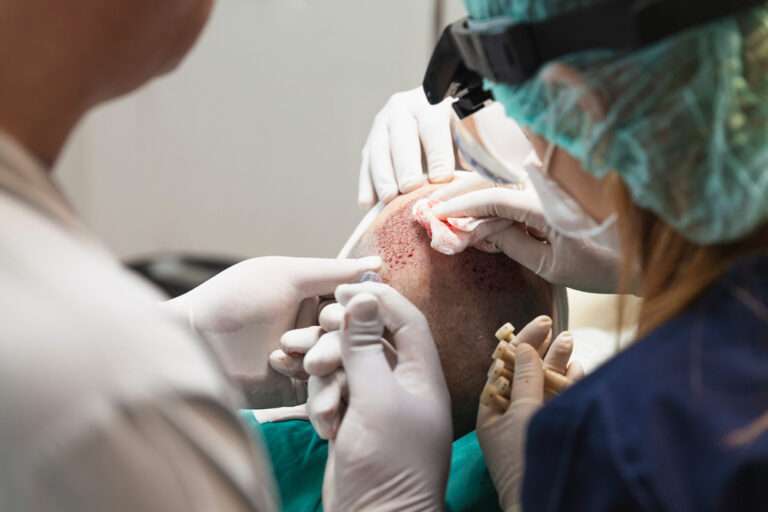
The first two days after surgery are all about protection. You’ll notice small scabs around the implanted area. This is completely normal. Your scalp may feel tight, and you might see mild swelling. Keeping your head elevated helps reduce pressure and improves comfort.
Many people across the hair transplant UK community say that these early hours are the most delicate. The follicles need time to settle. Follow your instructions closely and try to relax. Rest gives your body the strength it needs to begin healing.
People who choose a hair transplant London often appreciate the detailed post-procedure guidance they receive, and this early support makes a big difference.
Week 1: Healing Begins
During the first week, your scalp starts to adjust. The swelling fades, and the redness becomes lighter each day. You may feel slight itching as the skin heals. This is a sign of recovery, not a cause for worry.
The small scabs begin to dry. Most will fall away naturally by the end of the week. Your donor area may feel sensitive, but this improves quickly. If you chose your procedure through a hair transplant London clinic, they usually check in to ensure everything is progressing well.
This week teaches patience. You see the early signs of healing, and the foundation for long-term growth starts here.
Week 2: Settling Into the Process
The second week brings more confidence. The scabs should be gone, and the redness should be much lighter. Any lingering tightness usually fades at this time.
Many people exploring a hair transplant UK timeline feel relieved once they reach this stage. You can begin washing your hair more normally, and your scalp looks less sensitive. Some transplanted hairs may fall out during this week. This is a natural part of the cycle called shedding.
Shedding surprises many people, especially those having their first hair transplant London experience, but it’s expected. The follicles stay in place. Only the hairs fall. They will return in the coming months.
Week 3: The Shedding Phase
Week three is when shedding becomes more noticeable. This is the stage most people worry about, but it is simply your scalp resetting. The new hairs enter a resting phase called telogen. After this phase, they will grow again naturally.
Your scalp will look clearer and calmer. Many across the hair transplant UK community consider week three the “in-between stage,” where everything looks settled, but new growth has not yet begun. This is completely normal.
Focus on gentle care. Mild washing and soft drying help protect the follicles as they rest.
Weeks 4–6: Early Recovery and Patience
By week four, you should feel like yourself again. Redness continues to fade. The donor area regains strength. You can return to most daily routines, including light exercise.
At this stage, stimulation becomes important. Normal blood flow encourages healthy growth. Many people in the hair transplant London region begin noticing small changes around week six, though full growth is still ahead.
Patience matters more than ever. Your scalp is doing important internal work, even if you cannot see it yet.
Months 2–3: New Growth Begins
Although this article focuses on week-by-week recovery, it’s important to understand what happens next because it reassures many patients considering a hair transplant UK.
By the end of month two and the start of month three, the first new hairs appear. They are thin at first, like baby hair. They grow slowly, gaining strength with time.
People who undergo a hair transplant London often describe this stage as the beginning of excitement. The early results become visible, and confidence starts to rise. Your patience begins to pay off.
Months 4–6: Visible Improvements
Growth becomes more noticeable between months four and six. The texture improves. Density increases. You can style your hair more freely, and the new strands blend better with the existing ones.
Many across the hair transplant UK community consider this the turning point. The change becomes visible not just to you, but also to others. Your new look starts taking shape.
Months 6–12: Full Development
The most rewarding stage comes between months six and twelve. The majority of your final growth appears during this period. Your hair becomes thicker, stronger and more natural. Your confidence improves as the transformation becomes complete.
People choosing a hair transplant London often share that this final stage feels like a fresh start. It marks the end of the recovery period and the beginning of long-term results.
Final Thoughts
Recovery is a journey, but every step is part of a natural process. When you understand each stage, you feel more confident, patient and relaxed. Whether you decide on a hair transplant London or explore options across the hair transplant UK market, knowing what to expect helps you enjoy the transformation with ease.
Your new hair takes time to grow, but the results are worth the wait. With the right care and understanding, your recovery becomes a smooth, positive experience from the first week to the final result.